
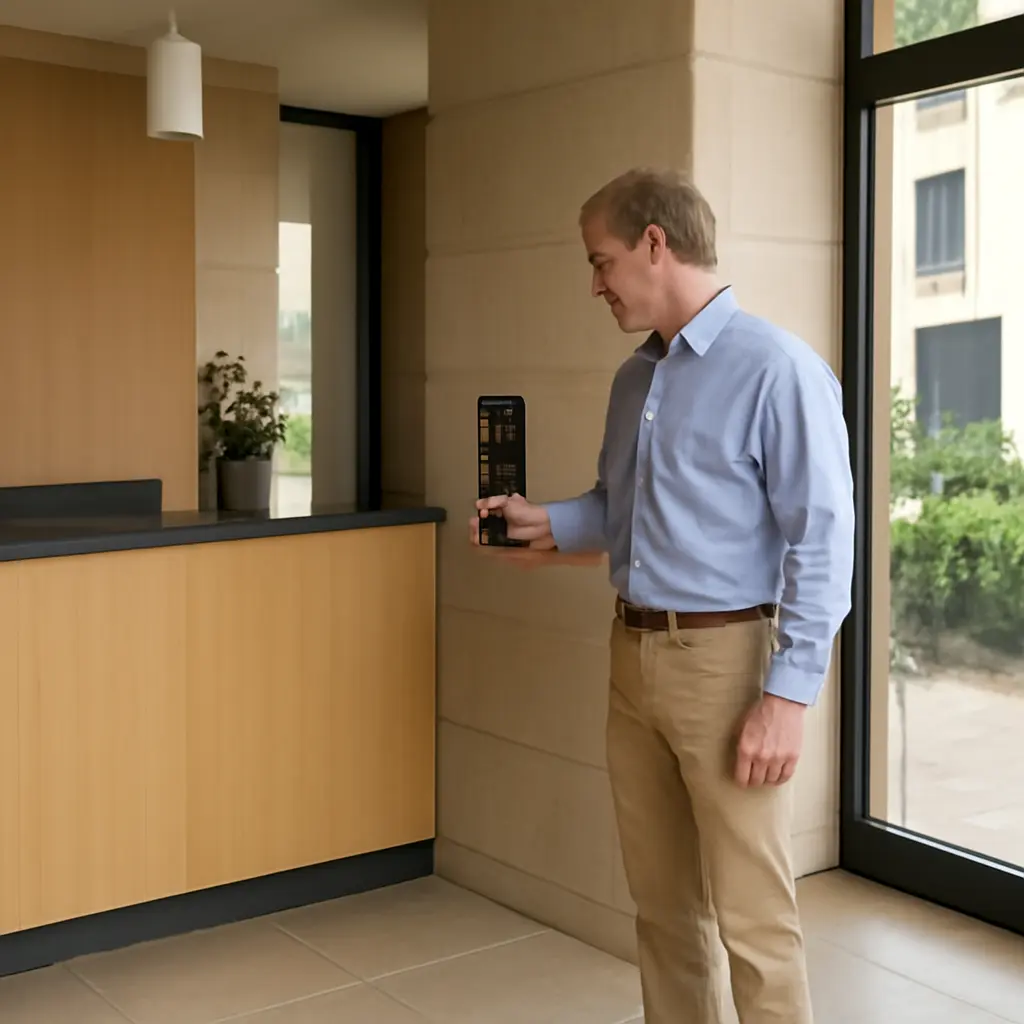
A secure lobby entry system combines controlled access, visitor verification, and clear staff procedures to help building managers know who is entering and why. No system can eliminate every security risk, but tools such as video intercoms, credentialed access, visitor logs, and trained front-desk teams can make unauthorized entry harder and improve incident response. The need is practical: the FBI reported 1,284,899 burglaries in the United States in 2023, though that national figure includes many property types and does not measure lobby intrusions specifically. The right approach depends on a building’s traffic, layout, privacy obligations, and budget.
Lobby access control reduces uncertainty at the building entrance
Access control is the set of policies, people, and technologies used to determine who may enter a space. NIST describes physical access control systems as systems that manage access to facilities and protected areas; in a lobby, that can mean checking a visitor’s identity or purpose before releasing a door. Effective control is layered: a locked or monitored entrance, a way to communicate with occupants, a consistent visitor process, and a plan for alarms or suspicious activity.
The most useful measure is not simply how many devices a building installs, but whether authorized people can enter conveniently while unverified visitors are directed to a deliberate check. Common approaches include staffed reception, video intercoms, electronic credentials, visitor-management software, and combinations of these methods.
Reception and visitor verification
A staffed reception desk provides human judgment at the entrance. Staff can ask whom a visitor is meeting, contact the host, issue a temporary badge, and direct deliveries to an approved location. The process should be written down and applied consistently, with a clear alternative for times when the desk is unattended. Staff should not be expected to physically confront someone who refuses instructions; escalation procedures should identify when to contact building security or emergency services.
Video intercoms and electronic credentials
A video intercom lets occupants see and speak with a visitor before remotely unlocking an entrance. Electronic credentials—such as cards, mobile credentials, or fobs—help manage routine access for employees and residents, and can be revoked when access is no longer appropriate. These tools serve different purposes: a credential confirms possession of an authorized token, while an intercom supports a visitor-specific decision. Neither proves identity by itself, so buildings should avoid treating a camera image or an access-card event as a complete security guarantee.
Visitor-management systems and records
Visitor-management systems can record check-ins, notify hosts, print temporary badges, and provide a searchable entry log. Their value depends on accurate data, limited access to records, and a defined retention period. The Federal Trade Commission’s guidance on data security emphasizes collecting only information a business needs and protecting what it keeps. Buildings should disclose relevant practices, restrict staff permissions, and avoid collecting sensitive identity information unless there is a justified need.
Layered lobby security connects technology with procedures
A device alone cannot prevent every form of unauthorized entry. A visitor may follow someone through a controlled door, a process may be bypassed during a rush, or a system may fail during a power or network outage. Layered security addresses these gaps by combining physical design, verification procedures, and trained responses. The Cybersecurity and Infrastructure Security Agency’s physical-security guidance similarly emphasizes assessing vulnerabilities and choosing measures suited to the facility rather than relying on a single control.
Tailgating and door discipline
Tailgating occurs when an unverified person follows an authorized entrant through a secured door. Signs, staff reminders, controlled vestibules, and access systems that require each person to present a credential can reduce the opportunity. Policies should be courteous and practical: occupants can be asked not to hold secure doors for unknown visitors and to direct guests to reception or the intercom. Anti-tailgating measures must also preserve accessible entry and safe evacuation routes.
Cameras, alarms, and response plans
Cameras can help staff observe entrances and review incidents, while door-position alarms can alert them when a secured door is held open or forced. Their effectiveness depends on suitable camera placement, lighting, maintenance, monitoring responsibilities, and a response plan. The National Institute of Standards and Technology’s guidance on security and privacy supports treating surveillance as a system with operational and privacy considerations, not merely as equipment to install.
A response plan should state who receives alerts, how staff verify a concern, when to contact emergency services, and how to communicate with occupants. It should also account for outages: managers need a safe fallback for keeping the building accessible to authorized users without leaving the entrance uncontrolled.
Accessibility, privacy, and reliable operation
Security controls should not create unnecessary barriers for people with disabilities, delivery workers, or visitors who do not use smartphones. The U.S. Access Board’s accessibility standards address accessible routes and doors in covered facilities; building owners should assess how entry hardware, intercoms, and check-in procedures work for people with different mobility, hearing, and vision needs. Privacy also matters: cameras and visitor logs should have a documented purpose, limited access, and a retention schedule consistent with applicable law.
A practical lobby-security plan starts with risk and traffic
The best configuration varies between an apartment building, office, clinic, school, and mixed-use property. Managers can begin with a basic assessment: identify entrances, note busy periods and unattended hours, review past incidents, and determine which areas require different access levels. The FBI’s burglary statistics provide broad context about property crime, but they should not be used as a direct estimate of risk for a particular lobby. Local incident data and a site-specific assessment are more useful for choosing controls.
Match controls to building use
A small residential property may prioritize a reliable intercom, secure mail and package handling, and resident guidance on admitting guests. A busy office may need host notifications, temporary badges, separate delivery procedures, and access credentials for employees. A clinic may need additional controls to protect patient areas while ensuring that visitors can reach reception. In every case, the entry process should make the authorized route obvious and the exception process manageable.
Test, train, and review
Managers should periodically test door hardware, intercoms, cameras, alarms, backup power, and access revocation. Staff and occupants need brief, practical instructions on verifying visitors, reporting a malfunction, and responding to a person who refuses the check-in process. Review logs and incident reports for recurring problems—such as doors routinely propped open or visitors unable to reach a host—and adjust the procedure accordingly. These measures help show whether a security investment is working in daily operation rather than only on paper.
Conclusion: make lobby entry controlled, welcoming, and dependable
Lobby access control works best when visitor verification, credentials, reception procedures, and reliable physical safeguards support one another. A layered plan can reduce opportunities for unauthorized entry while preserving a welcoming and accessible experience, but it must also protect visitor data and provide a clear response when equipment or procedures fail. Start by assessing your building’s entrances and traffic, then choose proportionate controls, train the people who use them, and review performance regularly. For a more tailored plan, consult a qualified security professional and check applicable accessibility, privacy, fire, and building requirements.
Sources: Federal Bureau of Investigation, Crime Data Explorer, 2023 reported burglary estimates, https://cde.ucr.cjis.gov/LATEST/webapp/#/pages/explorer/crime/crime-trend; National Institute of Standards and Technology, Guide to Operational Technology (OT) Security, SP 800-82 Rev. 3, https://csrc.nist.gov/pubs/sp/800/82/r3/final; Cybersecurity and Infrastructure Security Agency, Physical Security, https://www.cisa.gov/topics/physical-security; Federal Trade Commission, Protecting Personal Information: A Guide for Business, https://www.ftc.gov/business-guidance/resources/protecting-personal-information-guide-business; U.S. Access Board, ADA Accessibility Standards, https://www.access-board.gov/ada/