
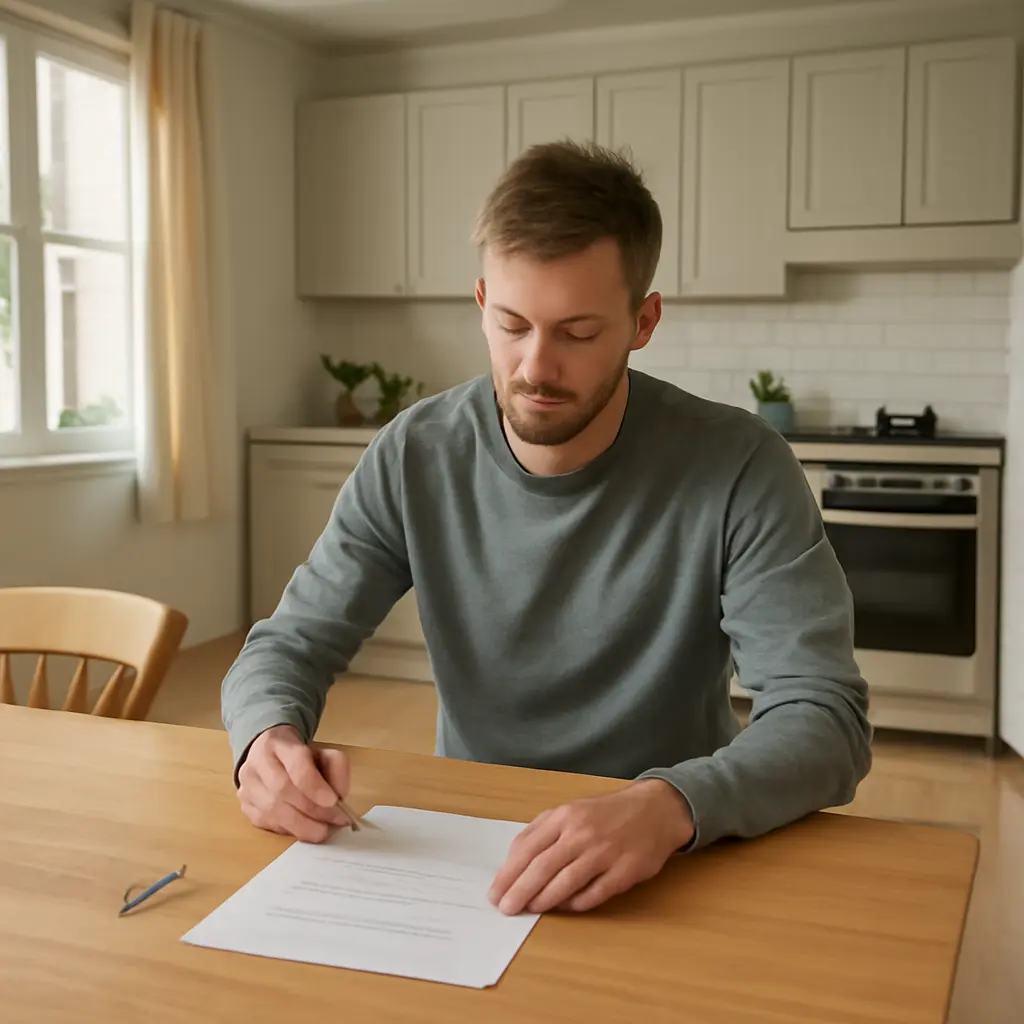
A shared-apartment lease is a binding rental agreement that sets out who may live in a home, what rent and other charges are due, and who is responsible for meeting the tenancy’s rules. For roommates, the most important distinction is whether everyone signs one joint lease or each person signs a separate agreement: that choice can affect liability for unpaid rent, deposits, repairs, and a departing roommate. U.S. Census Bureau data show that about 31% of households were renter-occupied in 2023, making clear rental terms relevant to many households. This guide explains lease structures, shared responsibilities, deposits and bills, roommate changes, and practical steps for reviewing an agreement. Laws vary by location, so local rules and the lease itself matter.
Lease structure defines roommate responsibility
A lease is a contract between a landlord and one or more tenants that grants the right to occupy a property in exchange for rent and compliance with stated conditions. The U.S. Department of Housing and Urban Development (HUD) explains that a lease sets out the rights and responsibilities of both parties. In a shared apartment, the agreement may name all roommates together, give each tenant a separate contract, or allow a tenant to rent a room under a sublease. Those arrangements are not interchangeable: the names on the contract and the wording about liability help determine who owes what.
Joint lease: shared contractual liability
A joint lease is one agreement signed by multiple tenants for the same rental home. Many joint leases make tenants “jointly and severally liable,” meaning the landlord may seek the full unpaid rent or other covered amount from any one tenant, even if roommates privately agreed to split it. For example, if four roommates each plan to pay one quarter of the rent and one stops paying, the remaining tenants may still face a claim for the full rent under the lease. Check the exact wording; a roommate’s informal promise to pay a share usually does not change the landlord’s contract.
Individual leases: separate room agreements
An individual lease gives each tenant a separate contract, often for a particular bedroom and a defined share of common areas. Depending on its terms, each tenant may be responsible only for their own rent and obligations rather than for another roommate’s default. Ask how the agreement handles shared utilities, common-area damage, guests, and use of kitchens or bathrooms. “Individual lease” is not a guarantee of limited liability by itself: read the contract to see what space it covers and whether it creates any shared obligations.
Subleases and replacement roommates
A sublease is an arrangement in which a tenant rents all or part of the home to someone else while remaining contractually responsible to the landlord. The original tenant may therefore still owe rent or be accountable for lease breaches if the subtenant fails to pay or causes damage. A replacement roommate who joins the main lease is different: the landlord typically must approve the change and document it, often through a new agreement or written lease amendment. Before anyone moves in or out, check the lease and local law for consent requirements.
Rent, deposits, and household costs need clear terms
Once roommates understand the lease structure, they can plan how payments and shared expenses will work. The lease determines what the landlord can collect and when; a separate written roommate agreement can record how tenants will divide costs between themselves. That private agreement can reduce misunderstandings, but it does not automatically change the landlord’s rights under the lease.
Rent amount, due date, and payment method
The lease should identify the total rent, due date, accepted payment methods, and any late-payment terms allowed by local law. Roommates can separately write down each person’s share, who submits the full payment, and how early everyone must transfer money to that person. Keep receipts or electronic records. If one tenant is responsible for sending the combined rent, that administrative role does not necessarily shield the other signers from liability under a joint lease.
Security deposits and move-in records
A security deposit is money held to cover losses permitted by the lease and applicable law, such as certain unpaid rent or damage beyond ordinary wear and tear. Deposit caps, deadlines for returning deposits, required deductions, and interest rules differ by jurisdiction. The U.S. Department of Housing and Urban Development advises renters to understand the lease and document the condition of a home. Roommates should take dated move-in photographs, complete any inspection checklist, and agree in writing how deposit contributions and any refund will be divided. Do not assume that the landlord must refund each roommate separately.
Utilities and shared household expenses
Utilities may be billed to the landlord, one named tenant, or several account holders, depending on the property and service. Roommates should clarify responsibility for electricity, gas, water, internet, and other agreed household expenses, including how bills are divided and what happens if someone pays late. Keep account names and payment records accurate: a private split among roommates does not necessarily release the person named on a utility account from the provider’s bill.
Lease rules govern occupancy, conduct, and maintenance
A lease also defines how the apartment may be used and what tenants must do to care for it. House rules can prevent conflict between roommates, but they should be consistent with the lease and local protections. The U.S. Environmental Protection Agency notes that indoor moisture problems should be addressed promptly; reporting leaks early is one practical example of how tenant conduct and maintenance duties intersect.
Occupancy, guests, and pets
Occupancy clauses identify authorized residents and may set conditions for long-term guests, pets, or additional occupants. A roommate should not assume that a guest can become a resident without landlord approval. Read the relevant clauses, check local rules, and obtain any required written permission before adding a person or pet. In the United States, assistance-animal requests can involve fair-housing protections and are not always treated as ordinary pet requests; HUD guidance explains that housing providers may have duties to consider reasonable-accommodation requests.
Repairs, damage, and landlord entry
The lease usually describes how to report maintenance problems, while state and local law establish important landlord and tenant duties, including rules about habitability and entry. Roommates should report urgent hazards and leaks promptly, use the landlord’s documented repair process, and keep copies of messages. A household agreement can also set expectations for everyday cleaning and shared items, but it cannot waive legal protections or turn a roommate’s promise into a change to the landlord’s obligations.
Roommate changes require documented lease action
A roommate’s move-out does not automatically erase that person’s obligations or transfer them to someone else. The steps depend on whether the departing tenant is on a joint lease, holds an individual lease, or is a subtenant. Before a move, review the agreement’s notice and assignment provisions and ask the landlord what written approval is required.
Leaving before the lease ends
A tenant who moves out early may remain liable under the lease unless the agreement, landlord’s written release, or applicable law provides otherwise. Roommates should not rely on a verbal assurance that someone is “off the lease.” Request a signed amendment or release that identifies the departing tenant, the effective date, and any continuing responsibility. Early-termination rights and landlord duties to reduce losses vary by jurisdiction, so consult local tenant guidance.
Adding or substituting a roommate
Adding a roommate usually requires the landlord’s approval when the lease limits occupancy or requires consent to assignments and subletting. A written amendment should identify the new tenant and explain whether the person assumes existing obligations, contributes to the deposit, or replaces a departing signer. Confirm that all parties receive a copy. A private agreement between roommates is useful for contributions and household arrangements, but it may not change who is legally bound to the landlord.
A practical lease review reduces shared-apartment risk
Before signing, roommates can use a simple review process to make responsibilities visible. The following checklist is not a substitute for legal advice, but it highlights questions that commonly affect shared tenancies.
- Confirm every tenant’s legal name, the rental address, lease term, and authorized occupants.
- Identify whether the agreement is joint, individual, or a sublease, and look for “joint and several” liability language.
- Check total rent, each person’s planned contribution, due dates, late terms, and payment records.
- Review the deposit, move-in condition report, return process, and local deposit rules.
- Clarify utility accounts, shared expenses, maintenance reporting, pets, guests, and landlord-entry terms.
- Ask how a roommate can leave or be replaced, and obtain written approval and amendments where required.
- Save a complete signed copy of the lease, amendments, inspection records, and important communications.
Conclusion: clear lease terms protect every roommate
Shared-apartment leases define more than the rent: their structure can determine whether roommates share liability, while their clauses govern deposits, utilities, occupancy, repairs, and changes to the household. A joint lease, individual room agreements, and subleases each create different responsibilities, so tenants should read the actual wording rather than rely on assumptions or informal cost-splitting arrangements. Before signing or changing roommates, document agreements, obtain required written approvals, and check local tenant rules. For further guidance, consult a local housing agency, tenant organization, or qualified legal professional.
Sources: U.S. Census Bureau, “Historical Census of Housing Tables: Homeownership and Rental Vacancy Rates,” https://www.census.gov/data/tables/time-series/dec/coh-owner.html; U.S. Department of Housing and Urban Development, “? Renting,” https://www.hud.gov/topics/renting; U.S. Department of Housing and Urban Development, “Assistance Animals,” https://www.hud.gov/program_offices/fair_housing_equal_opp/assistance_animals; U.S. Environmental Protection Agency, “A Brief Guide to Mold, Moisture and Your Home,” https://www.epa.gov/mold/brief-guide-mold-moisture-and-your-home